Warren's Local Foundation & Basement Specialists
Foundation Settling Repair in Warren, MI
Talk to a local Warren crew today. Call 586-250-4101 for a fast, honest look at your foundation or basement.
Settling is your house sinking or dropping unevenly — straight down. The signs show up slowly: a floor that slopes toward one corner, doors and windows that start sticking, stair-step cracks climbing the brick or block, hairline cracks in the drywall, gaps opening at the trim, or a porch and chimney that lean away from the house. We diagnose what's moving and why, then stabilize the home with piers so it stops sinking for good.
See a sloping floor or a new crack? Call 586-250-4101 before it gets worse.
Proud to Serve Warren & Metro Detroit
Based in Warren and working across Macomb, Oakland and Wayne counties. Find your city below — and call us with any basement or foundation question.
What's Included
Sloping & bouncy floors
Floors that drop toward one wall or feel springy underfoot mean the footing below has settled unevenly.
Sticking doors & windows
Frames that twist out of square as the house settles make doors drag and windows refuse to latch.
Stair-step cracks in brick & block
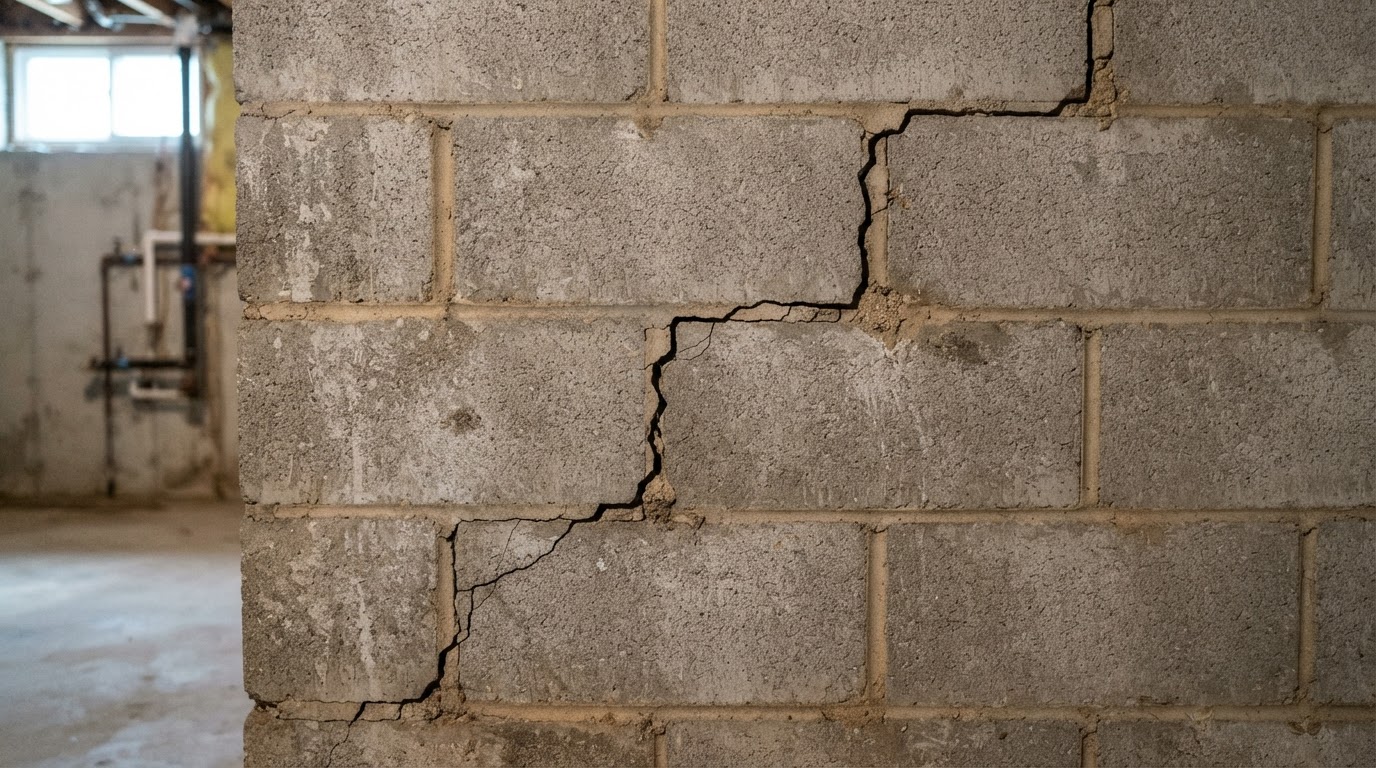
Cracks that follow the mortar joints up the wall are the classic signature of one side dropping.
Leaning chimney or sinking porch
Additions and chimneys often settle first because their footings are lighter or separate from the house.
Pier & underpinning stabilization
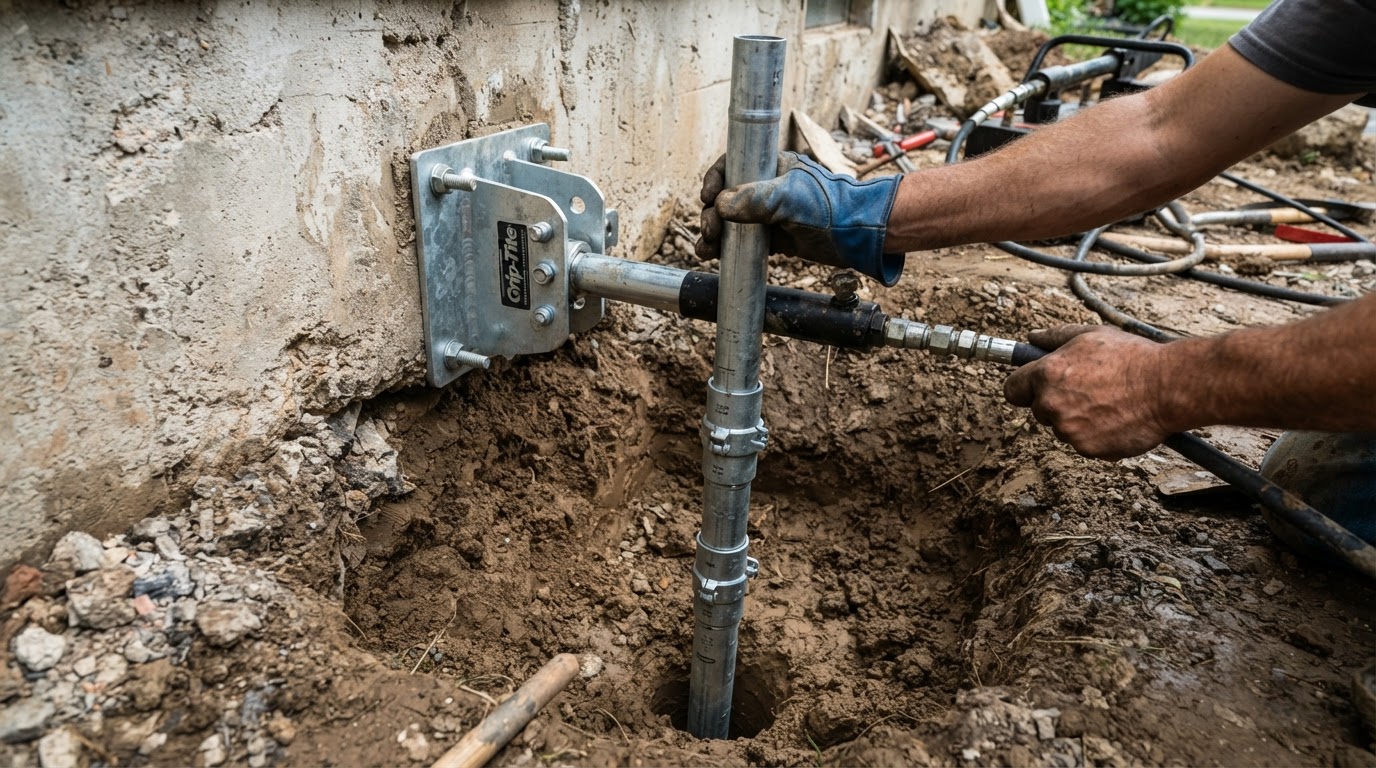
We drive steel push piers or helical piers down to stable load-bearing strata and lift the footing back toward level.
Why This Happens in Warren
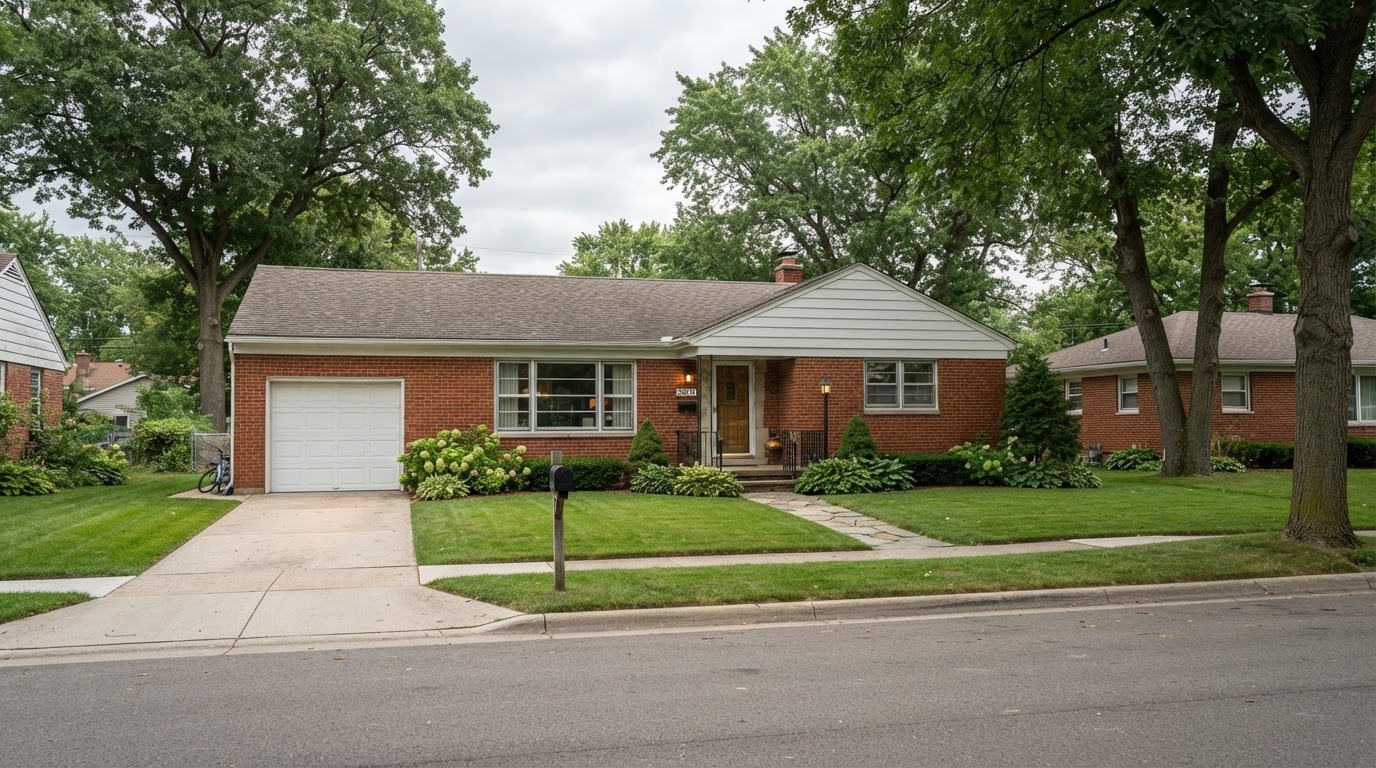
Warren and most of Metro Detroit sit on a flat, old glacial-lake plain with heavy clay soil that drains slowly, holds water against basement walls, and swells when wet and shrinks when dry. The land is very flat and the water table is often high, so after a storm the water has nowhere to go. Winters are long and the ground freezes several feet deep, so frozen, saturated clay pushes hard on basement walls, and repeated freeze-thaw cycles widen cracks year after year. Spring snowmelt and intense summer downpours saturate the ground fast, and the region has seen severe basement flooding from storms like those in August 2014 and June 2021. Warren grew fastest from the 1940s through the 1960s, so its housing is largely brick ranches, bungalows and Cape Cods with concrete-block or poured-concrete basements whose original drain tile, sump pumps and waterproofing are now well over half a century old.
Settling here is almost always about the clay. Heavy clay swells when it's wet and shrinks when it dries, so a dry summer pulls moisture out of the soil under your footing and the ground literally shrinks away from it — the house drops. A wet spring swells it back up. Over years that cycle ratchets the foundation down, usually on one side first, which is why doors stick on one end of the house and not the other. Poor drainage — a downspout dumping right at the corner, or soil graded toward the house — makes it worse by keeping that clay wet in one spot and dry in another.
How to help prevent it
Cost Guide
| Repair type | Typical price range | What affects cost |
|---|---|---|
| Push pier / underpinning (per pier) | Free quote after inspection | Driven by how deep stable strata sit, the number of piers needed, and interior vs. exterior access. We quote per pier after measuring. |
| Helical pier installation | Free quote after inspection | Used for lighter loads or tighter access; price varies with depth and torque requirements. |
| Crack monitoring / low-cost drainage fix | Free quote after inspection | Some 'settling' is really a drainage problem — we fix that first when we can and skip the piers. |
| Chimney / porch footing stabilization | Free quote after inspection | Lighter, often separate footings; cost depends on access and whether the element needs lifting. |
We won't quote a firm price until we've seen it in person — every home is a little different. Call 586-250-4101 for a free, no-obligation inspection.
Why Choose Us
Diagnose before we pier
We confirm the home is actually still moving — not every crack needs piers.
Piers to stable strata
We drive piers to load-bearing ground, not a shallow fix that settles again.
Lift toward level
We bring the footing back toward level without cracking the house trying to force it.
Drainage first
If a downspout caused it, we say so and fix the water before we touch the foundation.
Is your house dropping at one corner?
Let's find out why and stop it where it is.
Our Process
- 1
Call and tell us what you're seeing — sloping floors, sticking doors, new cracks.
- 2
We inspect inside and out, measure floor slope and crack width, and check drainage.
- 3
We show you what's moving, why, and whether it's still settling or has stopped.
- 4
We quote the pier plan in plain terms — how many, where, and what it does.
- 5
We install the piers, lift toward level, and backfill and clean up.
Frequently Asked Questions
Is some foundation settling normal?
What are piers and how do they work?
Will the cracks close after piering?
How long does piering take?
Our Other Services
Get Your Free Estimate
Tell us what you're seeing. We'll call you back quickly with a no-pressure look.